Safeguarding and online safety
Safeguarding is the responsibility of all adults and especially those working or volunteering with children.



Safeguarding is the responsibility of all adults and especially those working or volunteering with children.

Safeguarding legislation and government guidance says that safeguarding means:
Protecting children from maltreatment, preventing impairment of children’s health or development, ensuring that children are growing up in circumstances consistent with the provision of safe and effective care and taking action to enable all children to have the best outcomes.
Child Protection: is part of safeguarding and promoting student welfare. It involves measures and structures designed to prevent and respond to significant harm, abuse, exploitation and neglect.
Safeguarding includes: Child Protection, Health Care Plans, Health and Safety, Site Security, Safety on school trips and visits, Safer recruitment – School Central Record & DBS checks, online safety and associated issues, anti-bullying work, children’s & learner’s health, mental health and emotional well-being and so much more.
At Lift Utterby we recognise our moral and statutory responsibility to safeguard and promote the welfare of children. It is our duty to safeguard and promote the welfare of children who are in need or at risk and ensure their voice is heard at all times.We will be alert to signs of abuse and neglect and we will follow our procedures and policies to ensure that children receive effective support and protection.
We ensure:
- a safe and secure environment for children
- we respond promptly to suspicions of abuse by following appropriate procedures
- we help children acquire the skills and knowledge to protect themselves
All adults within our setting have received rigorous training around safeguarding, child protection and anti-radicalisation and are able to promote good values whilst recognising the need for critical early intervention.
If you have a concern about a child, particularly if you think s/he may be suffering or is at risk of suffering harm, it is your responsibility to share the information promptly with the Designated Safeguarding Lead/s or an appropriate member of staff in their absence
We have a suite of policies relevant to safeguarding. Here is a link to our statutory information including safeguarding and online safety policies.
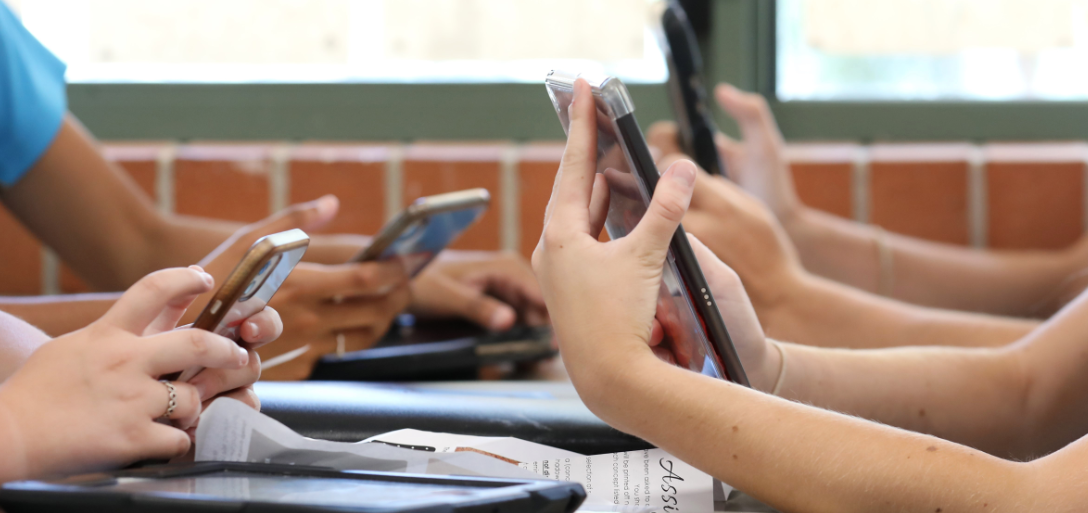
At school, we can teach you to stay safe online by following the SMART advice -
S – Keep your personal information SAFE and SECURE
M – Do not agree to meet anyone from the Internet; they may not be who you think they are
A – Do not ACCEPT messages or e-mails from somebody you don’t know.
R – Remember, do not always trust the information you find on the Internet; it may not be correct
T – If something or someone upsets you on the Internet TELL a trusted adult in school or at home
All staff have been trained on how to report safeguarding and technical concerns, such as if:
What do I do if I have a concern about the safety, care or welfare of a child or young person?
If you have a concern about a child or young person, you can contact our designated child protection leaders Mr Hawkins (Executive Headteacher) or Mrs Ellemore (Assistant Head). However please speak to any member of staff if you have a concern you think needs sharing as they will inform the relevant person.
Or you can:
- Contact Lincolnshire Children's Services During office hours - 8.45am to 5.15pm (4.45pm Friday) telephone 01522 782111
- In an emergency, outside office hours (including weekends or Bank Holidays) telephone 01522 782333
- Report a concern online via Lincolnshire Local Safeguarding Children Board website Lincolnshire LSCB Website
- Contact the police on 101 or 999 if in an emergency.
IF YOU ARE CONCERNED ABOUT THE SAFETY OR WELLBEING OF ANY CHILD YOU KNOW, YOU SHOULD ACT WITHOUT DELAY.
Many people worry that their concerns or suspicions may be wrong or that they are interfering unnecessarily or that someone else might report it. Our advice would be to report in any case to the school or Lincolnshire Children's Services team where they can give advice and the professionals can process the information you have.
Safeguarding children is everyone’s responsibility and it is always better to be safe and report a concern, as your information may be part of a much bigger picture.
What are the signs of child abuse?
No parent ever wants to think about the possibility of their child (or any child) becoming a victim of abuse, and most children never have to experience this. Even so, it is important for parents to be aware of the possibility and to know that help is available if the unthinkable happens. If you notice anything that concerns you, talk to your child to see if you can find out what is happening.
Remember, if your child is being harmed in any way, they may be too frightened or reluctant to talk to you. If your child becomes distressed or you are not happy with the explanations, you could talk to an adult you trust or call a helpline or children’s services for advice.
Staff in school will always be at hand if you wanted to discuss your concerns.
Some signs to look out for are:
- Bruises or other injuries;
- A change in behaviour – from quiet to loud, or from happy to withdrawn;
- Pain or discomfort;
- Fear of a particular person, or a reluctance to be alone with them;
- Secrecy around a relationship with a particular person;
- Reluctance to discuss where they go, or who they are with;
- Sexual talk or knowledge beyond their years;
- Being watchful, or always on edge, losing interest in their appearance, hobbies or family life;
- Alcohol or drug taking;
- Having money and refusing to say where it has come from;
- Wetting the bed;
- Becoming clingy.
Types of Abuse -
Physical Abuse:
Physical abuse is deliberately hurting a child causing injuries such as bruises, broken bones, burns or cuts.
It isn’t accidental – children who are physically abused suffer violence such as being hit, kicked, poisoned, burned, slapped or having objects thrown at them. Shaking or hitting babies can cause non-accidental head injuries (NAHI). Sometimes parents or carers will make up or cause the symptoms of illness in their child, perhaps giving them medicine they don’t need and making the child unwell this is known as fabricated or induced illness (FII) (previously commonly referred to as Münchhausen Syndrome by Proxy (MSbP)). There is no excuse for physically abusing a child. It causes serious, and often long-lasting harm and, in severe cases, death.
Emotional Abuse:
Emotional abuse is the on-going emotional maltreatment or emotional neglect of a child. It’s sometimes called psychological abuse and can seriously damage a child emotional health and development.
Emotional abuse can involve deliberately trying to scare or humiliate a child or isolating or ignoring them. Children who are emotionally abused are usually suffering another type of abuse or neglect at the same time but this isn’t always the case.
Sexual Abuse:
A child is sexually abused when they are forced or persuaded to take part in sexual activities. This doesn’t have to be physical contact and it can happen online. Sometimes the child won’t understand that what’s happening to them is abuse. They may not even understand that it’s wrong.
Neglect:
Neglect is the on-going failure to meet a child’s basic needs and is the most common form of child abuse. A child may be left hungry or dirty, without adequate clothing, shelter, supervision, medical or health care. A child may be put in danger or not protected from physical or emotional harm. They may not get the love, care and attention they need from their parents.
A child who’s neglected will often suffer from other abuse as well. Neglect is dangerous and can cause serious, long-term damage – even death.
FGM, Female Circumcision and Cutting
It has been estimated that over 20,000 girls under the age of 15 are at risk of FGM in the UK each year, and that 66,000 women in the UK are living with the consequences of FGM. Female genital mutilation (FGM) is a growing cause of concern in schools.
FGM is child abuse and a form of violence against women and girls, and therefore it is dealt with as part of existing child and adult safeguarding/protection structures, policies and procedures. It is illegal in the UK to subject a child to female genital mutilation (FGM) or to take a child abroad to undergo the procedure – Female Genital Mutilation Act 2003. Despite the harm it causes, FGM practicing communities consider it normal to protect their cultural identity. The age at which girls are subject to FGM varies greatly from shortly after birth to any time up to adulthood. The average age is 10 to 12 years.
Any female child born to a woman or has a sister who has been subjected to FGM will be considered to be at risk, as much as other female children in the extended family. Any information or concern that a child is at risk of FGM will result in a child protection referral to Lincolnshire Children's Services.
Prevent Duty Statement
On 1 July 2015 the Prevent duty (section 26) of The Counter-Terrorism and Security Act 2015 came into force. This duty places the responsibility on local authorities and schools to have due regard to the need to prevent people from being drawn into terrorism.
Utterby is fully committed to safeguarding and promoting the welfare of all its pupils. As a school we recognise that safeguarding against radicalisation is as important as safeguarding against any other vulnerability.
All staff are expected to uphold and promote the fundamental principles of British values, including democracy, the rule of law, individual liberty and mutual respect, and tolerance of those with different faiths and beliefs. We believe that children should be given the opportunity to explore diversity and understand Britain as a multi-cultural society; everyone should be treated with respect whatever their race, gender, sexuality, religious belief, special need, or disability.
As part of our commitment to safeguarding and child protection we fully support the government's Prevent Strategy and endeavour to uphold its principles throughout the teaching of all subjects.
Useful Links
Lincolnshire Safegaurding Childrens Board- https://www.lincolnshirescp.org.uk/lscp-safeguarding
Parent Zone - parentzone.org.uk/projects/digital-parenting-magazine
NSPCC (National Society for the Prevention of Cruelty to Children): nspcc.org.uk
Childline: childline.org.uk Contact: 0800 1111